
BBL Privatisation All But Sealed As Cricket Australia Goes Against States' Wish
Cricket Australia is set to push ahead with partial privatisation of the Big Bash League despite opposition from New South Wales and Queensland.
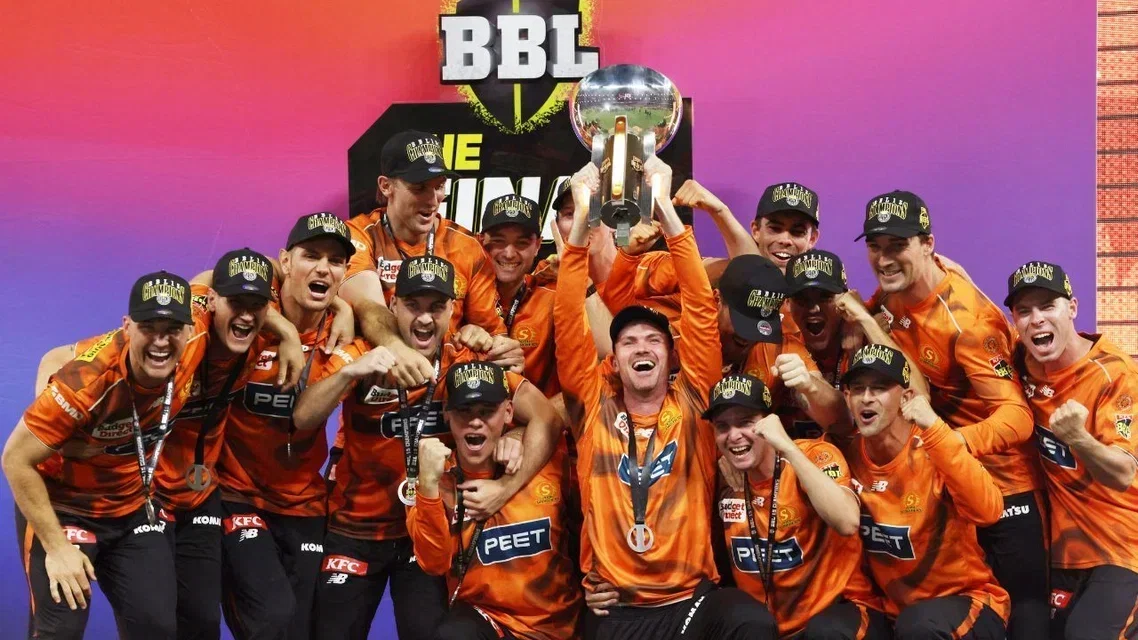
Cricket Australia is set to push ahead with the partial privatisation of the Big Bash League despite opposition from some of the country's most powerful state cricket bodies.
The decision could mark one of the biggest structural changes in Australian domestic cricket, with Cricket Australia preparing to allow states to explore the sale of minority stakes in their BBL franchises.
BBL Privatisation Plan Moves Forward
Cricket Australia has effectively decided to proceed with its privatisation plans after its board considered the proposal last week.
Under the proposed model, states would be allowed to explore selling up to 49 per cent stakes in their BBL teams. The transactions could potentially be completed before the start of the next BBL season.
Cricket Australia chief executive Todd Greenberg has described private investment as inevitable, arguing that the BBL needs to keep pace with other major T20 competitions around the world.
NSW and Queensland Oppose the Move
The biggest obstacle to the plan has been opposition from New South Wales and Queensland.
Cricket NSW has consistently questioned whether private equity would provide a long-term solution for Australian cricket, while Queensland Cricket also rejected Cricket Australia's original private ownership proposal earlier this year.
Despite the lack of unanimous support, Cricket Australia appears ready to move ahead with an opt-in approach rather than waiting for every state to agree.
Victoria, Western Australia and Tasmania have shown support for allowing private investment, while South Australia has taken a more cautious position.
Why Cricket Australia Wants Private Investment
Cricket Australia believes private capital could provide the BBL with additional financial strength and help Australian cricket compete with the world's leading domestic T20 leagues.
The organisation also sees the potential proceeds from franchise sales as a way to support the broader Australian cricket ecosystem.
The push comes at a time when T20 leagues around the world are attracting significant private investment, particularly through franchise ownership and strategic partnerships.
BBL Could See Major Ownership Changes
The Melbourne Renegades have already emerged as one of the franchises linked to the potential ownership changes, with Cricket Victoria having explored a possible sale earlier this year.
If the new model goes ahead, other BBL franchises could also begin discussions with potential investors. This could eventually change the financial and commercial structure of the competition.
Players' Association Also Has a Role
The Australian Cricketers' Association has previously raised concerns about how private ownership could affect players and the long-term interests of Australian cricket.
The players' union is supportive of investment provided the game's long-term interests are protected. Discussions with Cricket Australia are expected to continue, including negotiations over the share of revenue that could go to players.
What Happens Next?
Cricket Australia is expected to formally announce the next stage of its BBL privatisation plan, with several Australian cricket stars reportedly set to be involved in the announcement.
While NSW and Queensland remain opposed, the governing body's decision to proceed means the BBL is now moving towards a new ownership era.
The final structure, investors and individual franchise transactions will determine just how much the move changes the Big Bash League. For now, Cricket Australia's decision represents a clear attempt to reshape the competition and make it more competitive in the rapidly expanding global T20 market