
List of Prominent Indian Players Banned for Age Fraud
A look at prominent Indian cricketers who faced bans or disciplinary action after age-related discrepancies were found in official records.
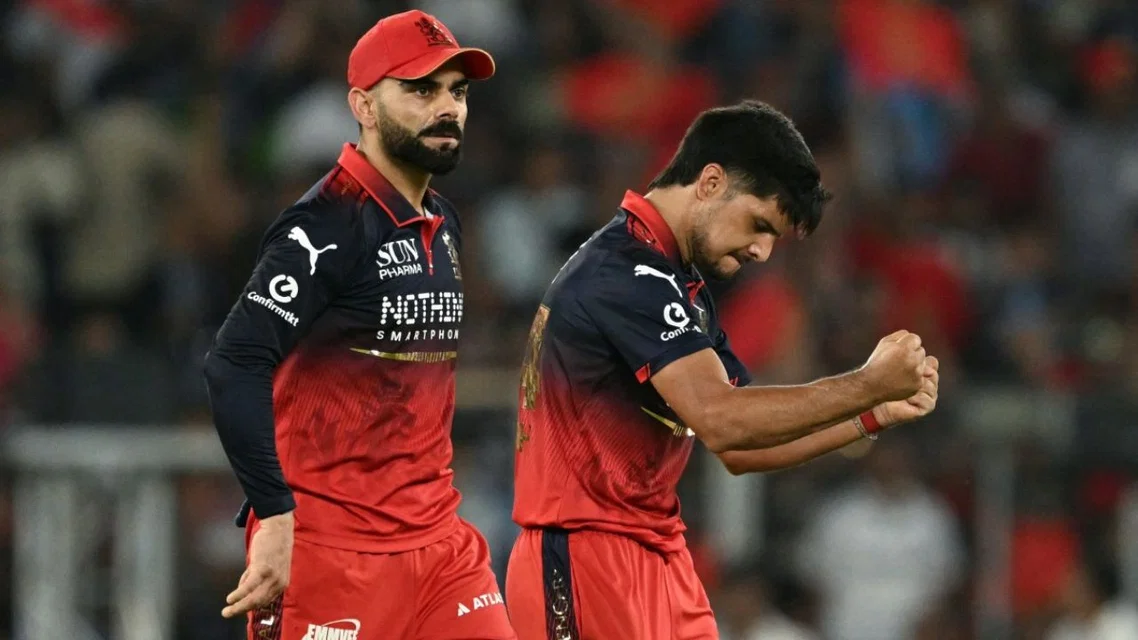
List of Prominent Indian Players Banned for Age Fraud
Age fraud has been a serious issue in Indian cricket, particularly at the junior and domestic levels. Over the years, several Indian cricketers have faced disciplinary action after authorities discovered discrepancies between their declared age and official records.
Age-related controversies can have serious consequences for players, especially those competing in age-group tournaments. The Board of Control for Cricket in India (BCCI) and state cricket associations have introduced verification procedures to prevent players from gaining an unfair advantage by misrepresenting their age.
Prominent Indian Players Who Faced Age-Fraud Action
Several players have made headlines after being found guilty of age-related discrepancies. In some cases, players were banned from participating in age-group competitions, while others faced longer suspensions depending on the circumstances and the governing body's regulations.
Manjot Kalra
Manjot Kalra became one of the most discussed names in Indian age-fraud controversies. The left-handed batter represented India at the 2018 ICC Under-19 World Cup and played an important role in the team's title-winning campaign.
Kalra later faced scrutiny over his age after discrepancies were reported in documents submitted to cricket authorities. The case highlighted the importance of accurate age verification in junior cricket.
Rahul Dravid’s Son Samit Dravid?
Age-related cases involving young cricketers often attract significant attention because age-group cricket plays an important role in India's player-development system. However, claims about individual players must be supported by official records before they can be described as confirmed age-fraud cases.
Why Age Fraud Is a Serious Issue in Cricket
Age fraud can provide an unfair advantage in junior cricket. A player who is older than the permitted age group may have greater physical development and experience compared with other participants.
This is why cricket authorities have strengthened age-verification procedures over the years. Players are expected to provide authentic documents and comply with the eligibility requirements of the relevant tournament.
Bans and Disciplinary Action
When an age discrepancy is officially established, cricket authorities can impose penalties depending on their regulations. These may include bans from age-group cricket, suspension from competitions or other disciplinary measures.
The severity of the punishment can depend on the nature of the violation and the applicable rules at the time. Therefore, each case needs to be considered individually rather than treating every age-related controversy as identical.
Impact on Indian Cricket
Age fraud controversies have led cricket administrators to place greater emphasis on verification and documentation. Stronger checks are intended to protect the integrity of age-group competitions and ensure that players compete against others within the correct eligibility bracket.
For young cricketers, maintaining accurate records is also important for their long-term careers. Any dispute over age or documentation can create uncertainty and affect opportunities at domestic and international levels.
Conclusion
Age fraud remains an important issue in Indian cricket, particularly in junior competitions. Players who are found to have deliberately misrepresented their age can face serious disciplinary consequences.
As cricket authorities continue to improve age-verification systems, accurate documentation and transparency will remain essential for maintaining fairness in India's competitive cricket structure.